Quick answer
Spinal decompression therapy uses a computer-controlled table to gently stretch the spine, creating negative pressure inside damaged discs. That pressure change helps bulging or herniated disc material draw back toward its normal position and lets oxygen and nutrients flow back in. Bonita Chiropractic Center has provided decompression therapy for over 15 years — without drugs, injections or surgery.
| Best for | Herniated and bulging discs, degenerative disc disease, sciatica, chronic low back and neck pain |
|---|---|
| How it feels | A gentle, intermittent stretch — most patients find sessions relaxing |
| Session length | Typically 20–30 minutes per session |
| Surgery required? | None — decompression is entirely non-surgical and non-invasive |
| Experience | 15+ years providing decompression therapy in Bonita Springs |
How decompression works
Discs are the cushions between your vertebrae. When one bulges, herniates or thins with age, it can press on nearby nerves — producing back pain, neck pain or the radiating leg pain known as sciatica.
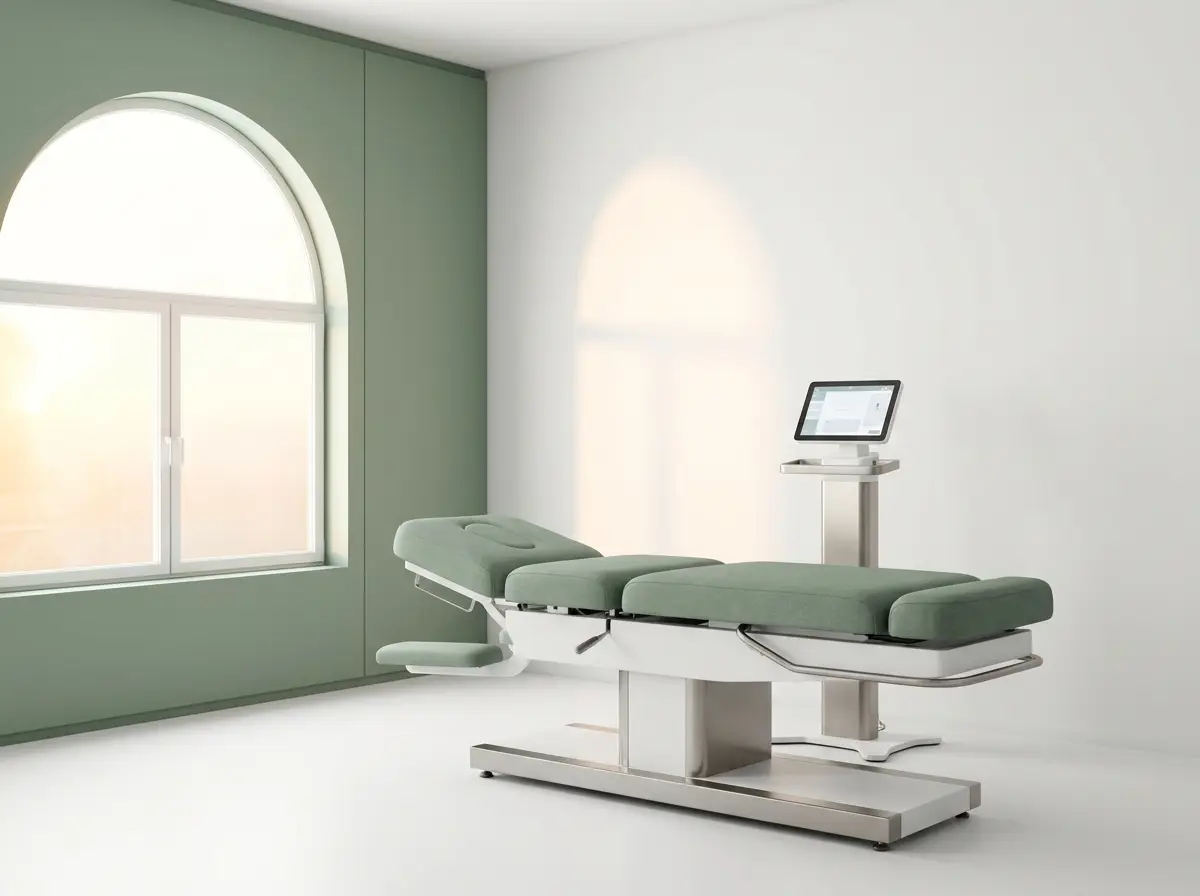
Decompression therapy positions you comfortably on a motorized table that applies precise, computer-controlled traction in gentle cycles. Each cycle creates negative pressure inside the disc. Two things happen:
- Bulging disc material is encouraged to retract toward its normal position, easing pressure on the nerve
- Water, oxygen and nutrients are drawn back into the disc, supporting its natural repair
Who decompression helps
Decompression is often the right next step for patients who have tried rest, medication or standard physical therapy without lasting relief — and who want to avoid injections or surgery. Patients with significantly improved pain and disability scores at the end of a treatment plan are the norm in the published research and in our own 15+ years of experience.
Already had back surgery? If you’re post-surgery and still in pain, you may still be a candidate. Dr. O’Neill reviews every case individually before recommending care.
Spinal decompression vs. VAX-D
We offer two decompression systems — including VAX-D, the original patented decompression technology. They work on the same principle; the right system for you depends on your condition, your body and your comfort. Dr. O’Neill will recommend the one suited to your case after your exam.
What to expect
A typical plan involves a series of sessions over several weeks. You lie comfortably on the table — many patients read or simply relax. There’s no downtime: you walk out and carry on with your day. We track your progress and adjust the plan as your pain and function improve.
Common questions
Does spinal decompression hurt?
No. Sessions apply a smooth, gentle stretch that most patients describe as relieving — some even doze off on the table.
How many sessions are needed?
Plans vary by condition and severity; most run a series of sessions over several weeks. We re-evaluate your progress throughout rather than locking you into a long contract.
Is decompression the same as inversion or home traction?
No. Clinical decompression uses computer-controlled force curves that cycle precisely to create negative disc pressure — something static stretching and inversion tables can’t replicate.
Can it help me avoid surgery?
Many of our patients came to us hoping to avoid disc surgery and found lasting relief through decompression. Every spine is different, which is why care starts with a thorough exam and honest recommendation.